
As is often the case, the psychedelic movement in its musical aspect also began with the Beatles. The product of a concatenation of coincidences; In 1966, John Lennon was languishing in Kenwood, his Surrey mansion. Feeling like he was missing something, he regularly visited London. It ended one day at Indica, the bookstore near the British Museum that was being patronized by Paul McCartney. I was looking for something by Nietzsche but ended up finding The Psychedelic Experience: A Manual Based On The Tibetan Book Of The Deadscholars Timothy Leary, Ralph Metzner, and Richard Alpert’s brief manual for the ritual use of drugs like LSD, psilocybin, and mescaline.
A perfect text for a mind on the boil. Lennon consumed acids voraciously and even allowed himself to be reprimanded (in Day Tripper) to the merely curious who did not commit to that lifestyle. The result of that feverish reading was Tomorrow Never Knowswhere Lennon pretended to sing “as if he were the Dalai Lama from the top of a Himalayan mountain.” A testament to British pragmatism that producer George Martin, perfectly oblivious to any expansion of consciousness, managed to bring him closer to that ideal.
A moment of emancipation from rock, which left behind the precept that a recording should reflect a live performance. In 1966, that couldn’t be reproduced on stage: a heady concoction of backwards tapes, manipulated sounds, mellotron, Indian instruments. The Beatles ordered experimentation and all British pop was launched: The Yardbirds, Small Faces, Cream, Tomorrow, The Creation and, yes, even the Rolling Stones. An insurrection, which unfortunately Antonioni’s ash was unable to capture in his 1966 London film, Blow up.
Groups in the United Kingdom benefited from a constant demand for new sounds. In California, the other axis of the psychedelic revolution, the industry was less enthusiastic but, in return, LSD was more common and even of higher quality. That explains why a self-conscious kid like Brian Wilson could create the immortal anthem to “Good Vibrations,” taking advantage of the superior technology of the Los Angeles studios and the flexibility of its professional musicians.
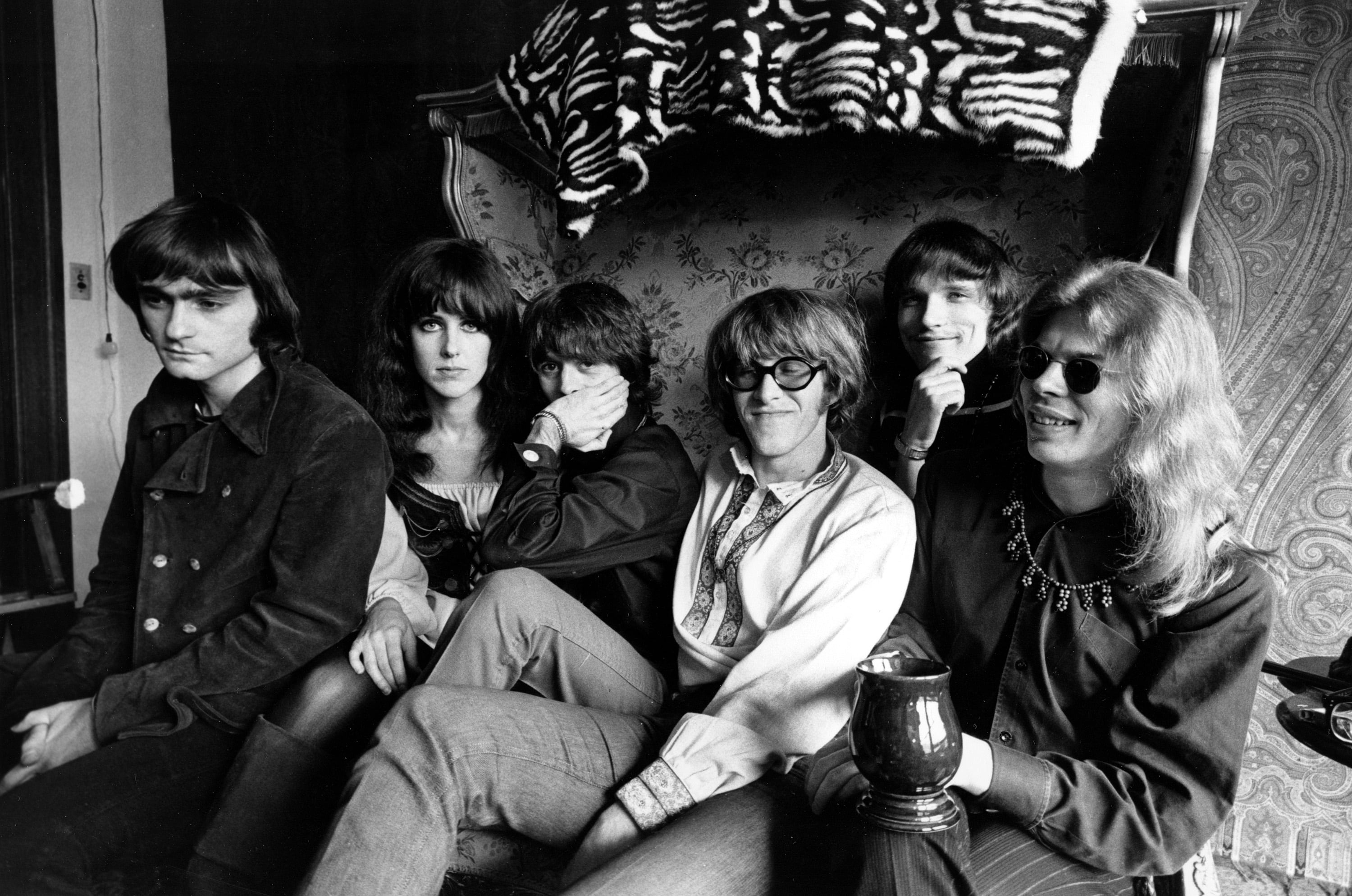
But it was in northern California, in San Francisco, where LSD merged with rock. The groups performed in ballrooms before a tolerant and, to a large extent, stoned public. Compared to the 35-minute sessions common in conventional stages, those bands played without a time limit, seeking to envelop listeners in a total journey with their amniotic light shows. The complicity was established in songs like White Rabbitwhich united the character of Alice in Wonderland to the cumulative development of Bolero by Ravel. Clearly, this was no longer just background music for King’s Road boutiques.
Today we already know that psychedelia ended up becoming another stylistic option, an arsenal for the use of skilled types (Todd Rundgren, Prince) or an easy resource for journalists with the will to discover (do you know the Paisley Underground of the 80s? Don’t worry, no one remembers). In reality, it is more useful to think of it as a virus, a hedonistic invitation to exploration that manifests itself when least expected.