
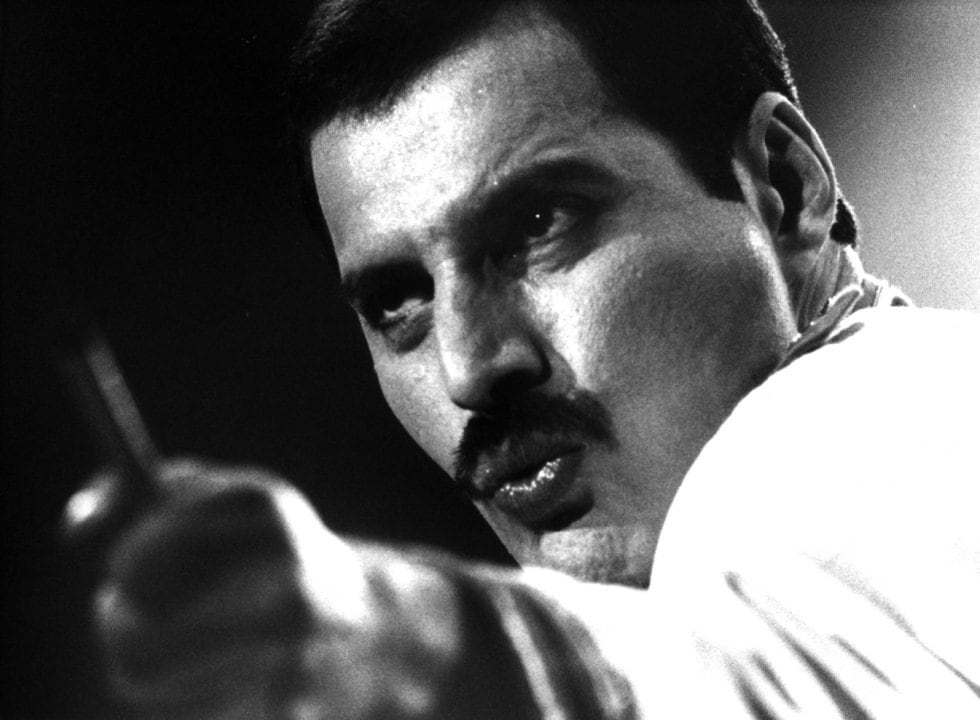
Every time the sale of a catalog of songs is announced. let’s say classic, the chorus of incredulous voices jumps out. These are legitimate doubts: how can Queen’s rights be worth an outrageous $1.27 billion today? (1,089 million euros). Not to mention comparatively equally crazy amounts in the case of a minor group like Mötley Crüe. Or a soloist who left this world prematurely, like Prince.
Here it is important to tread lightly: publishing rights are the crown jewel in the assets of many artists who suffered from having signed ungenerous record contracts, to put it finely. There were smart ones, who are no longer with us, who understood it and were determined to take control of their discography; Today they would enjoy checking the cleverness of their investments: David Bowie’s songs have changed owners for 250 million dollars. Leonard Cohen, whose work was disparaged by Sony in the early ’80s, would be pleased to know that Sony Music Publishing has ended up paying through the nose for a songbook that some record labels despised as “too depressing.”
Warning: the protagonists are not necessarily deceased creators. They may be groups that are officially alive but inactive after decades of prosperity, such as Fleetwood Mac or Kiss. Or a rebel in all areas, like Neil Young, who gave up half of the future income from his songs for 150 million. Not to mention Chrissie Hynde or Paul Simon. The smartest prefer to negotiate by cutting up their legacy, especially if they are in an advantageous position: Bob Dylan disposed of his legacy first. publishing and then he sold the rights to his albums, for a total amount close to 600 million.
You may wonder how we came to know those figures (too round, if you’ll excuse my suspicion). For the purchasing companies, these millions are a source of pride, forceful arguments that proclaim in the city and the world who are fighting in the first division of that market. Many original owners, however, prefer to hide the amount of these transactions. Out of modesty, to mitigate conflicts between heirs (oh, the Zappa family) or to avoid annoying comparisons: negotiating exclusively for the songs is not the same as including accessory rights such as the merchandising or the image itself, this is a key issue when authorizing a biopic.
Everything is complicated by intellectual property legislation in each country. Without underestimating the moral dimension of contracts signed in imperial times, when record labels and publishers cajoled singers or instrumentalists who did not know how to distinguish between phono-mechanical rights and reproduction rights.
In such swampy terrain, storms of fury can be unleashed: remember the accusations against Paco de Lucía during the burial of Camarón de la Isla, with shouts of “there goes that thief!” Impossible to teach a theory of copyright at such a crude moment. Both Camarón and Paco suffered at the hands of José Torregrosa, the producer of the Philips record company who routinely claimed authorship or co-authorship of a good part of that repertoire after transcribing the scores (a common practice at that time, everything must be said). It would be a long time before flamencos discovered that they could record and make profitable the arrangements materialized when they recorded ancestral songs.