
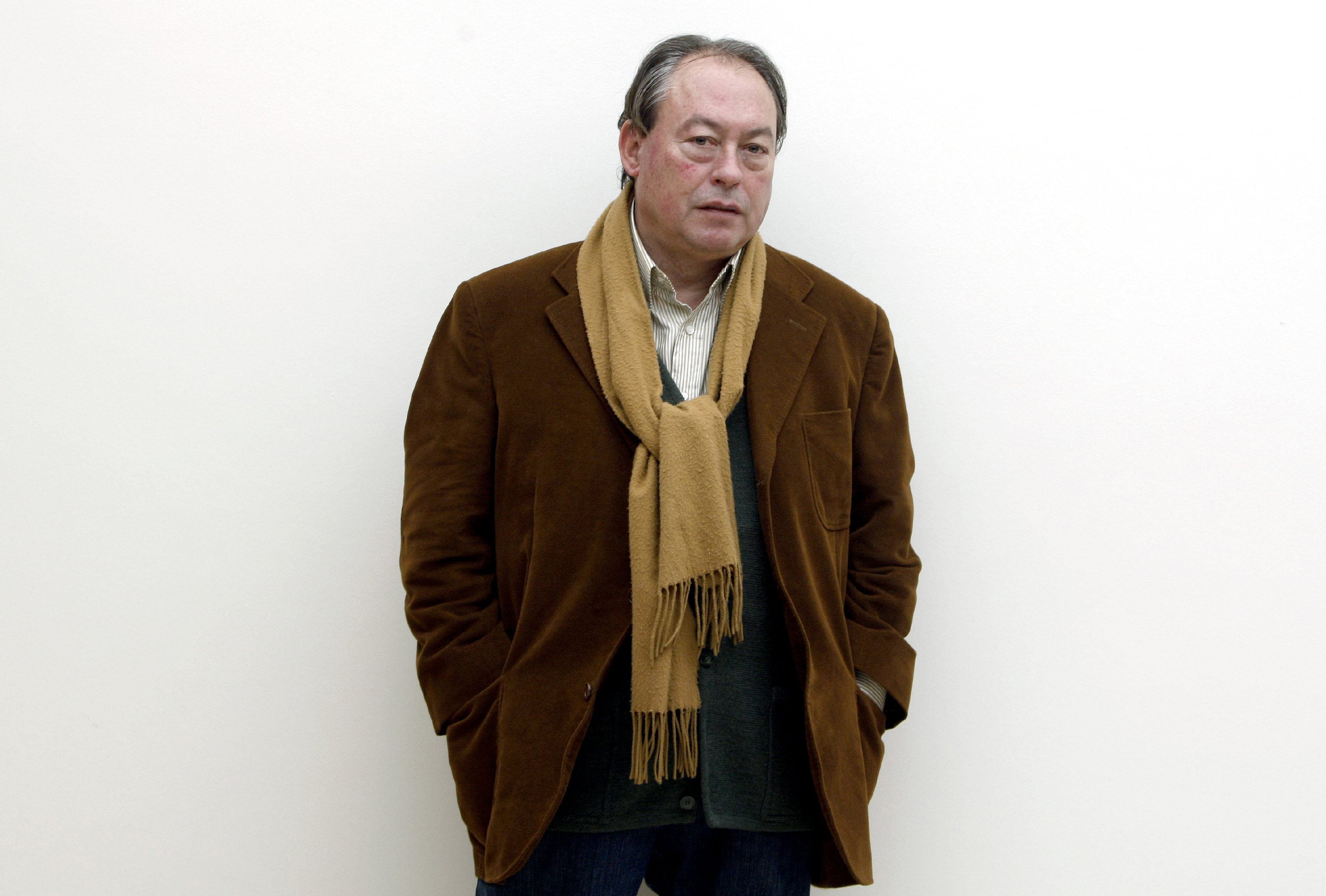
The Asturian journalist and essayist Gregorio Morán (Oviedo, 1947) died this Monday at the age of 79, as announced The Vanguarda medium where he collaborated between 1988 and 2017, without detailing the causes of death. He was one of the most uncomfortable and recognized voices in Spanish journalism, with sharp and combative prose, and author of an essay work that he dedicated to reviewing the Transition and the founding myths of democracy.
It was in the Barcelona newspaper where he had his greatest journalistic popularity, with his Untimely Saturdays, a column published on Saturdays that became one of the most read and influential opinion pages in the Spanish press. He left the newspaper in 2017 after denouncing the censorship of one of his articles – which was not published – in which he criticized the Catalan independence process, the Generalitat of Catalonia and the media subsidized by it. He also collaborated in Global Chronicle, Vozpópuli, Mundo Obrero, o Change 16. And, in January of this year, he started writing digitally The Objectivewhere he published his last article on the 7th of this month.
From a very young age, the writer was politically active in the anti-Franco opposition and was a member of the Communist Party, going into exile in Paris in 1968 due to persecution by the regime. He abandoned it in 1977, shortly before its legalization, and since then he cultivated a position always linked to the left but heterodox and critical of its leaders and dominant thoughts.
That look marked both his journalistic work and his books. As an essayist, Morán built a work focused on dismantling official accounts of the recent history of Spain. They stand out among his most influential titles The price of Transitiona critical review of the political pacts that articulated the transition from Francoism to democracy and Misery and greatness of the Communist Party of Spaina portrait of the PCE and its internal contradictions. He also wrote Adolfo Suárez: story of an ambition (1979), the biography of the then President of the Government whom he addressed again 30 years later in Adolfo Suárez: Ambition and destiny (2009).
The discomfort of his work also attracted controversy and censorship. The most notable case was that of The Priest and the Mandarins: Unofficial History of the Forest of the Lettermenwhich was going to be published by Crítica, from the Planeta group, which finally decided to veto. “I have never had censorship of this impudence. I am convinced that Planeta will not commit this clumsiness again,” the author said then. He refused to purge a chapter that talked about some RAE academics, although sensitive content was found throughout the book. Planeta argued that the text would have cost it lawsuits. Akal finally published it in 2014. “The problem of censorship now is not a political issue, it is an economic issue,” he also declared.
Before his journalistic journey he studied Dramatic Art in Madrid and co-wrote the script for Seven days of January (1979), a film about the murders of labor lawyers on Atocha Street that won the Grand Prize at the Moscow Festival the year it was released.