
This International Women’s Day, we celebrate the Women Who Connect—members of the Internet Society community who are driving a more inclusive Internet. Across regions and communities, they are expanding access, sharing knowledge, and opening doors for others to participate in the digital world.
Billions of people still face barriers to getting online. These challenges involve not only infrastructure, but also affordability, digital literacy, and the need for solutions designed around local realities.
The access gap is even wider for women, driven by factors such as economic inequalities, limited access to devices, insufficient Internet connectivity, cultural barriers, and a lack of digital skills.
The women featured in this post are part of a global effort. From grassroots initiatives to international policy spaces, they are contributing knowledge, leadership, and vision to help shape a more open and inclusive Internet.
Shaping an Inclusive Internet
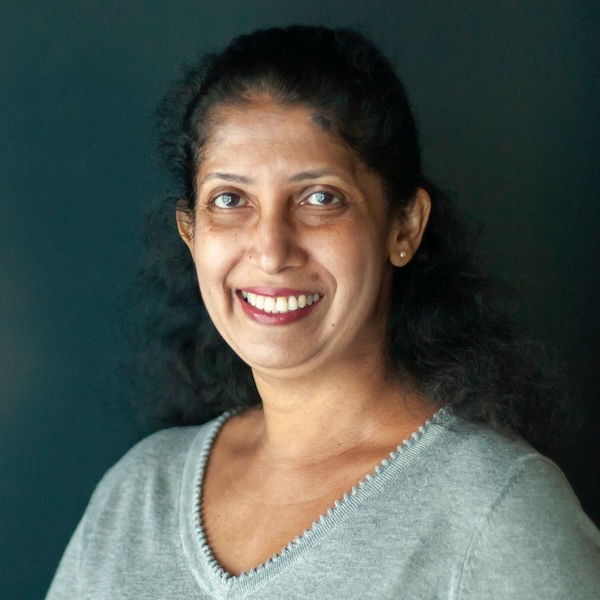
Sagarika Wickramasekera, a current member of the Internet Society Board of Trustees, grew up at a time when computers were rare in Sri Lanka, yet she was captivated by the Internet. With few women in networking, she discovered she was one of only eight female network engineers in the country, a reality that fueled her commitment to breaking structural barriers for women in technology.
Through founding the Lanka Internet Networking Group (LKiNG) and initiating the region’s first Women’s Internet Governance Forum (IGF), she created spaces where women are decision-makers, not just participants. Her initiatives, like Beyond the Reach, train hundreds of people with disabilities to access digital tools, linking connectivity with dignity, inclusion, and opportunity.
Her message to women aspiring to join the IT sector is simple and powerful: “Technical excellence has no gender. Innovation has no gender. You belong in this space. If barriers exist, study them. Challenge them. Redesign them.”
Amplifying Island Voices in the Digital Future
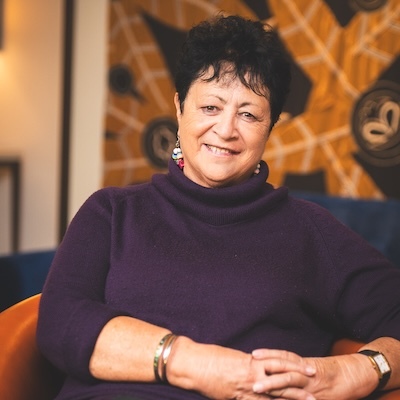
Maureen Hilyard knows that for small island states, connectivity is far more than convenience. Serving on the Internet Society Pacific Islands Chapter Board, she has witnessed how geographic isolation, disasters, and infrastructure gaps can disrupt education, business, and community life.
Through initiatives like PacINET and the Dynamic Coalition for Small Island Developing States, Maureen has amplified the voices of underserved communities in global Internet governance spaces. Often the only Pacific woman in high-level forums, she learned that presence shifts perspectives and influences policy. Currently, she is a member of the Internet Society Board of Trustees.
Her advice to other women is rooted in practicality and courage: “Start local. Join a working group, a community forum, or a policy discussion.” She reminds them: “Your voice carries lived experience, resilience, and insight that the global conversation needs.”
Connecting Communities Through Digital Inclusion
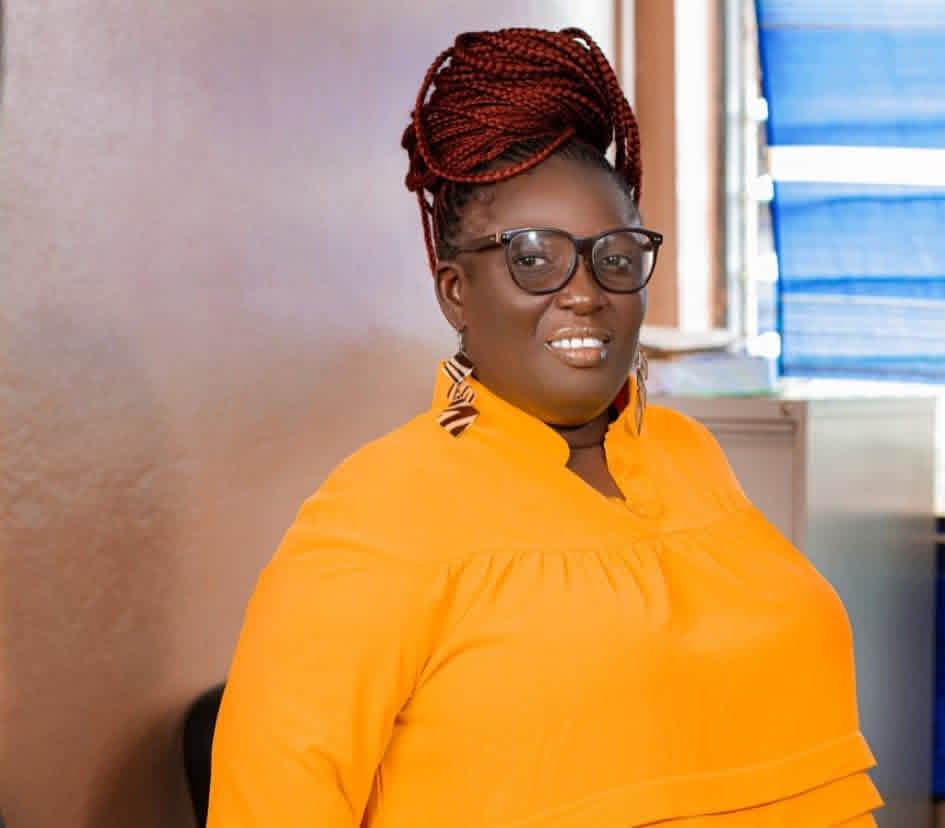
Florence Sesay, an Internet Society Foundation grantee, leads the Digitruck Salone Project through her work with Media Matters for Women, bringing digital tools directly to remote rural communities in Sierra Leone. For her, technology is never just infrastructure—it is dignity, confidence, and power.
Walking into communities where women and girls have never touched a computer, Florence connects people with educational opportunities. She has watched transformation unfold: a young girl typing her name for the first time, a market woman using WhatsApp to grow her business. These moments are not small; they are shifts in mindset and opportunity.
Her advice to women and girls is powerful: start where you are and believe you belong. “Digital inclusion is about connection, and when women connect to knowledge, markets, and each other, communities transform.”
Building Community Connectivity
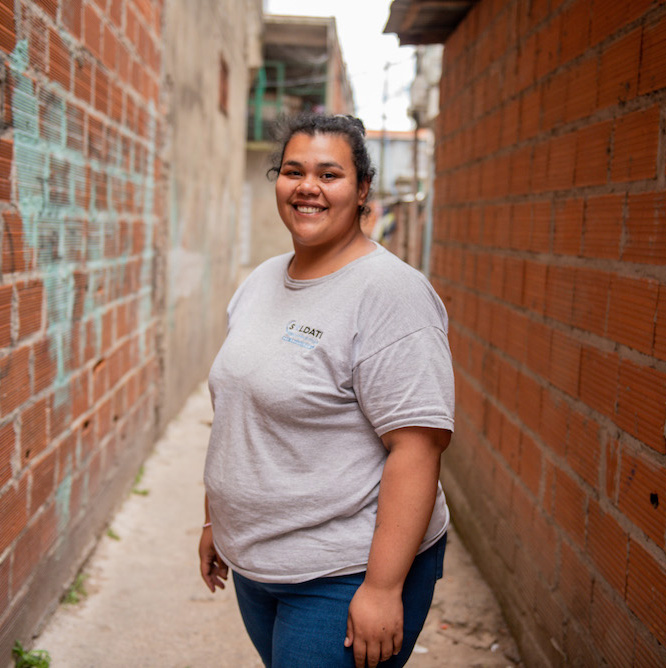
Growing up in Villa Soldati, a low-income neighborhood near Buenos Aires, Argentina, Florencia Arancibia experienced the frustration of unreliable Internet firsthand.
At first, the technical world of fiber optics and Wi-Fi felt intimidating and unfamiliar. But through training with the Internet Society Argentina Chapter and Soldati Conectada, Florencia discovered that the skills behind connectivity were not out of reach; they were tools she could learn and use to support her community.
Her reality today is completely different. Florencia is part of the installation technical team of Soldati Conectada, physically connecting homes and enabling neighbors to access digital tools for education and work.
For her, the project, funded by the Internet Society Foundation, is more than wiring households; it is building a community-owned model of connectivity.
Florencia encourages other women not to be discouraged by what they don’t yet know. “Step by step, I learned that technology isn’t distant; it’s something we can create and share to open doors for our community.”
The Internet We Want

Paola Galvez Callirgos, a 2019 Internet Society Youth Ambassador, believes the Internet can be a powerful force for social good, but only when it is designed with people at the center.
After earning a master’s degree in public policy, she began working at the intersection of technology, policy, and social impact, contributing her expertise to efforts across the public and private sectors and helping to shape more inclusive digital policies.
She brought this vision to life by founding Digital Girls Peru, a national initiative that has helped more than 6,000 girls build digital skills and confidence to participate in the digital world. Whether speaking about artificial intelligence and democracy on global stages or mentoring young women in her home country, Paola continues to advocate for more inclusive participation in technology and policy spaces.
Her journey reflects her belief that diverse voices are essential to shaping the future of the Internet. She emphasizes: “When we bring together youth, civil society, governments, and industry, we can ensure that innovation strengthens democracy and creates a more inclusive digital future.”
Empowering the Next Generation
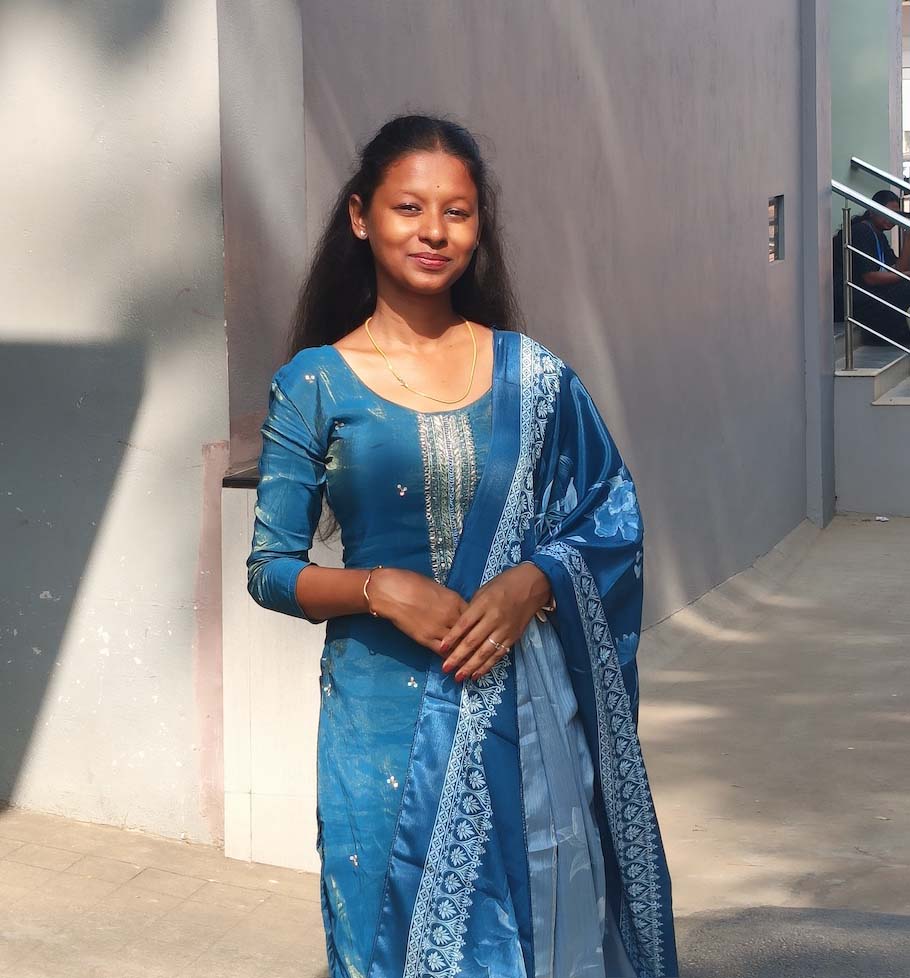
Abipriya Suresh, from a small village in Coimbatore, India, transformed her self-doubt into purpose through technical training with the Internet Society Foundation. Growing up in an orthodox family, she learned resilience from her mother, but had to build her confidence step by step.
She decided to sign up for the Designing and Deploying Computer Networks program from Internet Society Learning. Abipriya gained technical skills and the confidence to tutor peers and mentor other young women hesitant to technology. She connects in multiple ways: teaching, advocacy, and community outreach, showing that local women can thrive in global digital spaces.
Her advice to other young women is empowering: “You do not need to have all the answers before you begin. You only need the courage to take the first step. When you rise and lift others, you create change.”