
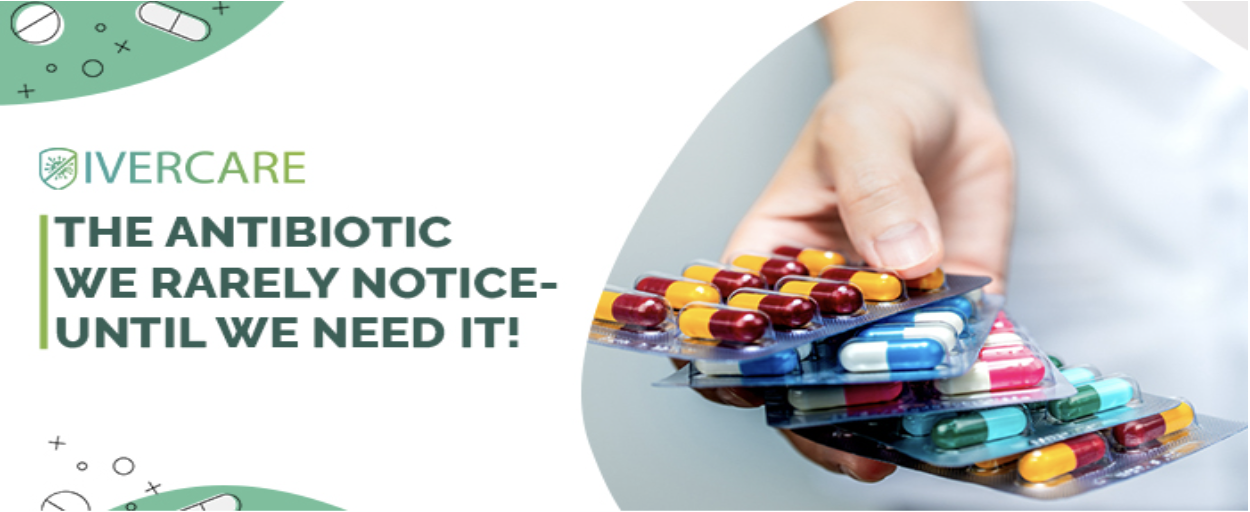
Most infections don’t begin as emergencies. They usually start slowly and then take over daily life. Mostly starting with a sore throat, headache or mild symptoms usually going up to something serious like a bacterial infection. Such mild symptoms are often ignored between busy mornings and late nights. After a few days, the discomfort turns into persistent fever, fatigue and many other problems. When health fails, it shows us how fragile everyday comfort can be. A persistent infection can turn sleep into struggle and everyday chores into burden. For decades, antibiotics like Amoxycillin have been a boon for such concerns and to prevent the related outcomes.
Understanding Bacterial Infections
Bacterial infections are any illness or condition caused by bacterial growth or toxins. You can get sick from getting harmful bacteria in your skin, gastro-intestinal tract, lungs, heart, brain, blood or anywhere else in your body. Harmful bacteria from the environment, an infected person or animal, a bug bite or something contaminated like food, water or surfaces can cause infections. Bacteria that are not normally harmful but that get into a place in your body where it shouldn’t be can also cause infections.
Common bacterial infections include:
- Campylobacter and Salmonella infections, common types of food poisoning.
- Cellulitis, boils and impetigo, skin infections.
- Pneumococcal disease, including ear and sinus infections and some types of pneumonia.
- Lyme disease, a disease spread by ticks.
- Bacterial vaginosis, an overgrowth of bacteria in your vagina.
- Chlamydia and gonorrhoea, sexually transmitted infections.
- Strep throat, a bacterial infection common in children that causes a sore throat.
- C. diff, an infection in your intestines.
- E. coli, a common cause of urinary tract infection (UTI).
What are Antibiotics?
Bacteria are microscopic living organisms that live in-vitro and in-vivo. Not all bacteria are harmful. Antibiotic is a word that originated from Greek where ‘anti’ means against and ‘bios’ means life, this was introduced by a French bacteriologist Jean Paul Vuillemin. Antibiotics are used to treat antibacterial infections. They are the medicines that work against bacterial infections by killing the bacteria or either stopping them from multiplying.
What is Amoxycillin?
Amoxycillin is an antibiotic that belongs to the aminopenicillin class of the penicillin family. It is derived from penicillin and has broad spectrum activity against gram-positive and gram-negative bacteria. It is a widely prescribed antibiotic. It is used to treat bacterial infections such as pneumonia, ear infections, Urinary Tract Infections, strep throat, etc.
Why is it the first line of action?
- Good Spectrum of Activity
- Multiple dosage forms
- Higher absorption rates
- Well established safety
How does it work?
Amoxycillin works by
- Bind to penicillin-binding proteins (PBP’s): PBPs are the enzymes that help make peptidoglycan in the final step.
- Inhibition of PBP’s: After amoxycillin binds to PBP, it inhibits the action of PBP. The integrity of the bacterial cell wall is compromised because the peptidoglycan bonds can’t cross-link.
- Cell death: Once bound to PBPs, amoxycillin irreversibly inhibits their transpeptidase activity, preventing the formation of a structurally intact cell wall. This disruption leads to osmotic instability and eventual cell lysis, which kills the bacteria.
Uses and Benefits
Amoxycillin is used for:
- Lower Respiratory tract Infections
- Ear infections
- Strep throat.
- Community acquired pneumonia
- Genitourinary tract infections
- Skin infections, pressure sores, leg ulcers, gum ulcers.
- Urinary Tract Infections (UTIs).
- Dental Infections: Abscesses, gum infections.
- Gastrointestinal: H. pylori (stomach ulcers) infection can be treated in combination with other drugs.
- Lyme disease: Used in certain stages.
General considerations to follow while taking Amoxycillin:
- Amoxycillin may be taken with or without food for every 8-12 hours, depending on the type of disease and strength of the product, as prescribed by the healthcare professional.
- It should be taken only for bacterial infections and not for viral infections (e.g. common cold).
- Using Amoxycillin in the absence of a bacterial infection leads to development of antibacterial resistance.
- In case of suspension formulation, shake the bottle well before use so that the drug can be mixed properly throughout.
- Avoid administration of drugs if any hyper-reaction is seen.
- Regular administration is required for better results.
- Do not take two doses at the same time as it can show adverse events.
- In case of a missed dose, the next dose needs to be taken immediately as and when remembered.
- Make sure to follow the treatment chart as provided by the physician.
Side-effects:
Common Side Effects are:
These are usually mild and often resolve on their own as the body adjusts to the medication:
- Nausea or vomiting
- Constipation or loose stools
- Abdominal discomfort
- Mild skin rash
- Headache
- Changes in taste
- Cough
- Body swelling
- Bleeding of nose
- Sweating
- Red or irritated eyes
- Non-allergic rashes
Taking Amoxycillin with food may help reduce stomach-related side effects.
Less Common Side Effects are:
Some patients may experience:
- Yeast infections (oral or vaginal) due to changes in normal bacterial balance
- Light-headedness
- Fatigue
- Mild itching or hives
If these symptoms persist or worsen, medical advice should be sought.
Serious but Rare Side Effects are:
Although uncommon, some reactions require immediate medical attention:
- Severe allergic reactions (anaphylaxis), including:
- Swelling of the face, lips, tongue, or throat
- Difficulty breathing
- Severe skin rash or blistering
- Severe diarrhoea that is watery or bloody
- Liver problems, indicated by:
- Yellowing of the skin or eyes
- Dark urine
- Unusual fatigue
- Unusual bleeding or bruising
- Seizures
- Black, hairy tongue
- Deficiency of platelets
- Inflammation of blood vessels
Drug Interactions
A drug interaction is defined as a reaction between 2 or more drugs, food or supplements leading to any undesired reaction or adverse effect.
A wide range of effects may be experienced when Amoxycillin is given in combination with the following drugs:
- Probenecid
- Anti-coagulants
- Allopurinol: It may cause rashes when taken with Amoxycillin
- Oral contraceptives: Gut flora is affected which in return decreases the reabsorption of oestrogen.
- BCG vaccine: Amoxycillin interferes with BCG vaccine and decreases its activity.
- Cholera Vaccine
- Typhoid vaccine
- Methotrexate: When taken with Amoxycillin it may elevate serum methotrexate concentration and lead to severe adverse effects.
Available Dosage Forms
Amoxycillin is administered orally and is available in various forms, including immediate-release or extended-release tablets, chewable tablets, and suspension. After thorough shaking, the medication can be mixed and administered with formula, milk, water, fruit juice, ginger ale, or other cold drinks. Immediate administration is recommended after mixing. Extended-release tablets should not be crushed, and administration should occur within 1 hour after completing a meal. Amoxycillin, with a more palatable taste, is often preferred over penicillin in paediatric patients. In contrast, ampicillin is versatile, structurally similar, and suitable for oral, intravenous, or intramuscular administration.
Amoxycillin Dosages
- Adults: For adults, the recommended dosage of Amoxycillin is 750 to 1750 mg/d, divided into doses and administered every 8 to 12 hours.
- Paediatric: For paediatric patients 3 months and older, the recommended Amoxycillin dosage is 20 to 45 mg/kg/d, divided into doses and administered every 8 to 12 hours.
- H. pylori infection: For the treatment of H. pylori infection, the recommended dosing for triple therapy involves administering 1 g of Amoxycillin, 500 mg of clarithromycin, and 30 mg of lansoprazole twice daily (every 12 hours) for 14 days.
- H. pylori infection (dual therapy): For dual therapy against H pylori infection, the recommended dosing is 1 g of Amoxycillin and 30 mg of lansoprazole, each administered 3 times daily.
Effect of Amoxycillin in Pregnancy, Breast-feeding and Elderly Patients:
Pregnancy:
Since there were no clinical trials undergone on pregnant women, there is no clear evidence regarding the usage of Amoxycillin in pregnant women. Thereby, there is no proper evidence stating whether it should be used in pregnant women or not.
Breast-feeding:
According to the studies conducted, Amoxycillin is ejected in breastmilk which may cause sensitisation in infants and so caution is needed when Amoxycillin is advised to lactating women.
Geriatric patients:
Elderly patients need to be monitored for renal function when Amoxycillin is administered.
Hepatic impairment:
The product labelling does not recommend dosage adjustments for individuals with hepatic impairment.
Renal impairment:
Patients with impaired renal function typically do not necessitate a dose reduction unless the impairment is severe. An additional dose is recommended both during and after dialysis.
Toxicity
A prospective study of 51 paediatric patients at a poison control centre suggested that Amoxycillin overdoses of less than 250 mg/kg are not associated with significant clinical symptoms, as per the FDA product labelling.
Signs and Symptoms of Overdose
- Interstitial nephritis leading to oliguric renal failure has been reported in a small number of patients following overdosage with Amoxycillin.
- Crystalluria leading to renal failure has been reported in both adult and paediatric patients following amoxycillin overdosage.
Management of Overdose
- In case of amoxycillin overdose, clinicians should discontinue amoxycillin therapy and provide supportive care to patients.
- Clinicians should maintain the patient’s airway, breathing, and circulation.
- The patients must maintain adequate fluid intake to mitigate the risk of amoxycillin crystalluria.
- Renal impairment appears to be reversible with the cessation of drug administration.
- Amoxycillin may be removed from circulation by haemodialysis.
Amoxycillin vs Other Antibiotics
Amoxycillin has been the first choice of treatment for certain antibacterial infections despite so many antibiotics being available today. It is highly appreciated because of its effectiveness, safety, and broad- spectrum activity. Compared to stronger antibiotics:
- It is less likely to harm the healthy bacteria in the gut
- It has a lower record of serious side effects
- It is suitable for a wider patient population
- There is no compromise in quality and also it is budget friendly
Doctors often reserve stronger antibiotics for resistant or severe infections, making Amoxycillin an ideal first step in treatment.
Available Amoxycillin Formulations on Our Platform
To aid critical thinking, our platform offers access to various amoxycillin formulations recommended for erectile dysfunction. There are options provided for clarity and patient knowledge on our platform. All medications are meant to be used solely with medical supervision.
Beyond Convenience: Why Ethical Access Matters
While speed and ease are important, ethical access to antibiotics like Amoxycillin remains critical. Platforms that discourage misuse, promote correct dosing, and provide clear medical information contribute positively to public health.
Ethical digital providers do not position antibiotics as quick fixes-but as medical treatments that require responsibility and guidance. This distinction is what separates trusted healthcare services from unregulated sellers.
Empowering Patients Through Education
Well-informed patients make better health decisions. Platforms that invest in patient education-explaining how antibiotics work, when they are needed, and why full treatment courses matter-support safer and more effective care.
Patients benefit from clear educational material:
- Understand symptoms that require medical attention
- Recognize the importance of completing antibiotic courses
- Do not use antibiotics without consulting a physician unnecessarily.
Care that is based on education builds trust and makes people more likely to stick to their treatment regimens.
The Importance of Trust When Buying Online
Not all the online websites are ethical and so one needs to be careful before doing any transaction or orders. Trusted websites put people first, not profit and Ivercare ( https://ivercares.com/amoxycillin/) is one of them. Fake antibiotics are still a major problem in the world since they may have wrong doses, harmful ingredients, or complete lack of efficacy.
Trusted websites stand apart from fraudulent platforms by strictly following safety and quality regulations. These platforms offer:
- Valid prescription dependent sales
- Clear labels
- Information about the product
- Payment choices that are safe and secure
- Packaging that is secret and dependable delivery
- Easy access to physicians or pharmacists that are licensed
It’s not only about ease or speed, when you choose a verified website, it’s also about safeguarding your health, feeling right about your choice and ensuring effective treatment.
About the Platform
https://ivercares.com/amoxycillin/ is a health-oriented digital platform committed to deliver accurate, up-to-date medical information and safe access to healthcare products. The platform’s main goal is to educate patients, keep them safe and be open about what it does. The platform seeks to enable individuals to make knowledgeable health choices.
How to Get in Touch
Website: https://ivercares.com/amoxycillin/
Number: +1(734)274-6420
References:
https://www.ncbi.nlm.nih.gov/books/NBK482250/
https://www.accessdata.fda.gov/drugsatfda_docs/label/2015/50542s02950754s01950760s01950761s016lbl.pdf