
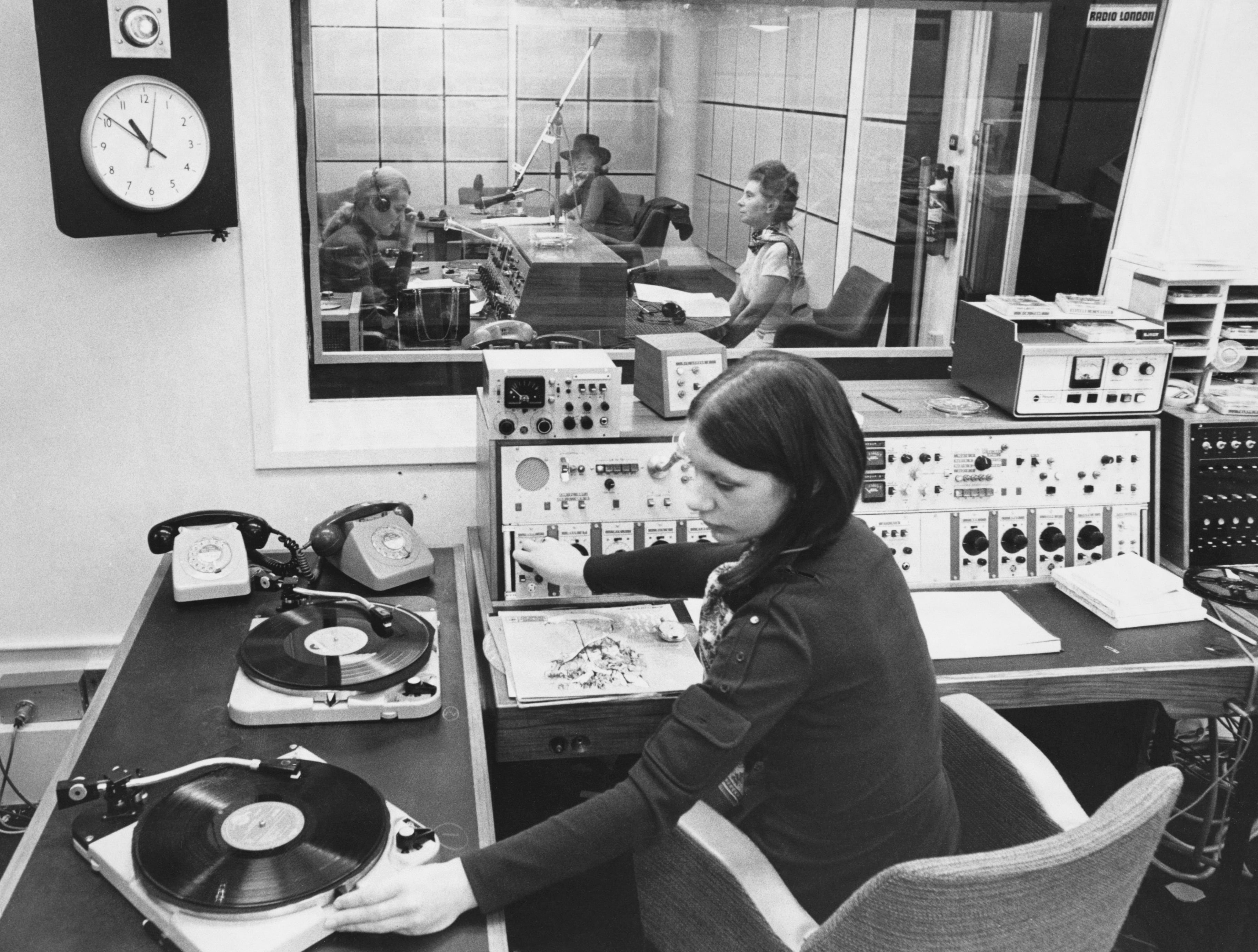
What I am going to evoke may seem today as remote and incomprehensible as the Peloponnesian War. I’m talking about the battles to release albums on FM stations. No joke: friendships grew cold, Machiavellian tricks were made, the phonographic industry was in an uproar. And all for winning medals that, in reality, only a few listeners recognized. Can you imagine a conflict over who would put Les Négresses Vertes first? Well it happened.
These wars took place on a minimal battlefield, essentially the world of Radio 3 (although Los 40 and other channels also entered the fray). As everyone knew each other, they were Cainite confrontations. That even reached the artists, who were tried to intimidate. Understand: debuting an album, foreign or national, reinforced the reputation of the program in question, its relevance above the competition. Or so they believed.
The tactics to achieve this ranged from speed to blackmail. The first release to arrive at the record company offices in the morning had an advantage. Then, some of the release hunters developed bad tricks: they demanded time windows before the tapes were released (yes, usually the record in question had not even been pressed) to the rest of the profession. Anything went: the blessed Carlos Berlanga was threatened to give up Dinarama’s first recordings, with the threat that, if not, his possible signing for that record company would be torpedoed. Although nothing comparable to the hysteria for releasing Los Planetas.
There were smart people who made an account in the Australian branch of iTunes, in order to have access to appetizing international releases 10 hours before in Spain. The record labels also had their tricks: they could demand that, in exchange for the novelty, the announcer agreed to program another album from his company for X days, realpolitik in action. It was ugly but they took advantage of that anxiety. And since nothing was signed, misunderstandings abounded. Conflicts that could reach the station director’s office. Astonished by the fierceness, he used to offer a Solomonic solution: that the premieres achieved were deposited in a closet, within reach of any announcer at the station. It did not prosper: listen, no one was going to give up their findings to show off their colleagues.
Awkward situations abounded. If you worked in the press, which was my case, you could receive advances of future albums to prepare for a possible interview, thus leaving room to play them on the radio at will. On the contrary, musicians who advanced material to their journalist friends were scolded. Manu Chao gave you tapes that contained his songs with silences every few seconds, so that you wouldn’t fall into the temptation of radioing them (and still…).
I speak in the past tense: the implementation of the Internet altered the rules of the game. Artists and record labels now use the networks to drop scoops, create expectations, encourage the social engagement. I don’t know if it’s worth celebrating that there are still more or less anonymous snipers who, at their own risk and expense, release releases ahead of time, sometimes in an unfinished state. As was the case at the beginning of pirated albums, it is about affirming that the times are set by them, the fans. Although here they are finally lame flies.