
When we finally became aware of the capabilities of Artificial Intelligence (AI), many of us imagined that we would be invaded by falsifications of the voice and image of illustrious artists. From what we have seen so far, that is not happening but AI does seem to be the origin of numerous songs with obscene content, attributed to invented vocalists (yes, they are usually female vocalists).
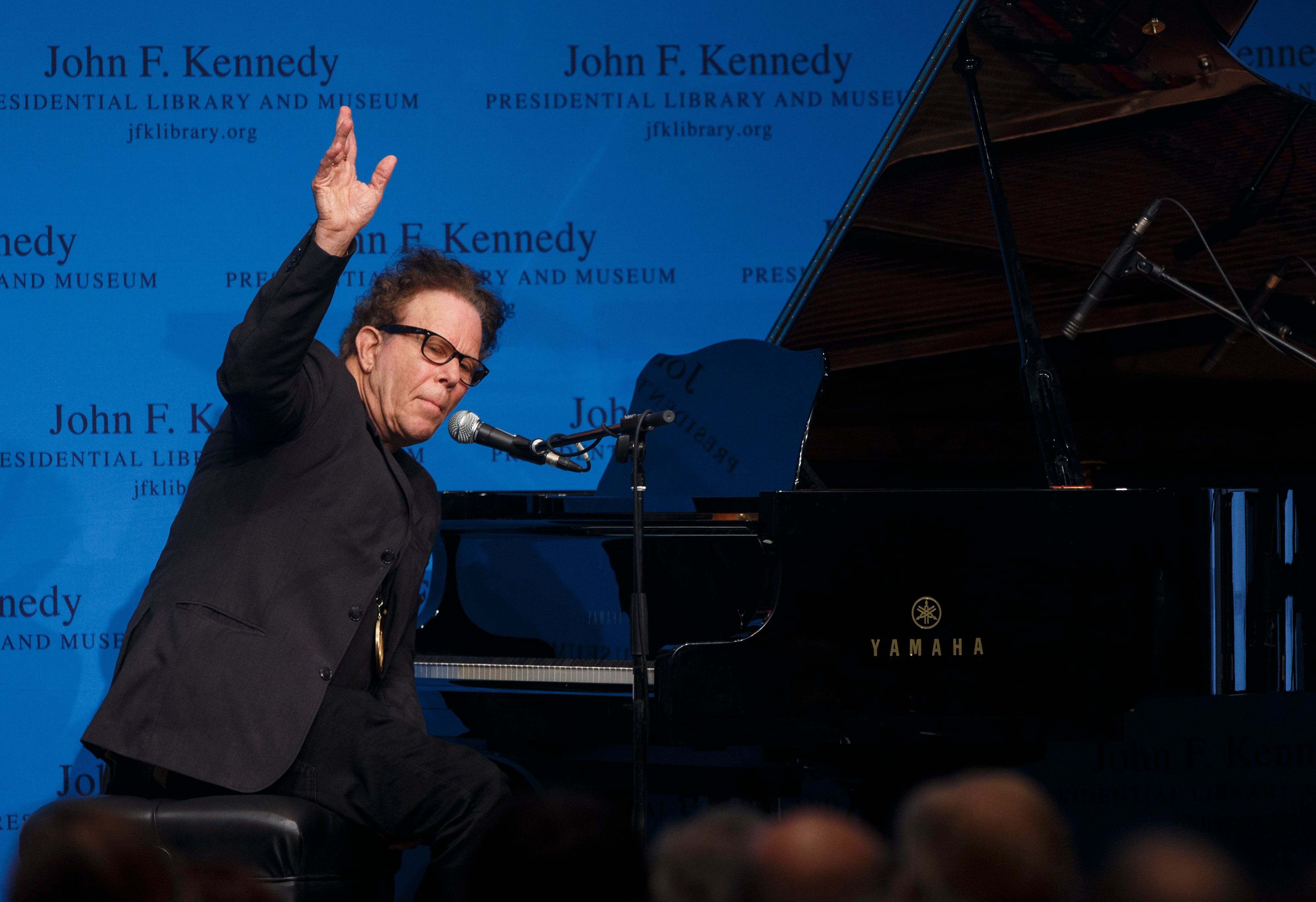
It turns out that impersonating established artists, with powerful lawyers, has obvious risks. Advertising people around the world have already internalized that imitating Tom Waits can be dangerous. Possessing a recognizable wild voice, Waits fought against imitations for years. Thus, in 1990, the makers of Doritos wanted to use him for an advertising campaign. Given his refusal, the agency hired a parody. Waits did not accept that move: he sued and made those ultimately responsible (Frito Lay, part of the PepsiCo empire) bite the dust. The matter reached the US Supreme Court and there the Pomona singer obtained compensation of more than two million dollars.
We should ask ourselves the obvious: what the hell were the “creatives” thinking when they assumed that the voice of a beatnik as peculiar as Waits would help sell snacks. Rather, it reeked of cockiness on Frito Lay’s part: “We are the giants of snacks and we do what we please.” They forgot certain precedents that recommended caution: in the eighties, the singer Bette Midler attacked the Ford Motor Company for advertising a car model with an imitator recreating one of her hits from 1972, Do You Want to Dance. He took $400,000 in damages.
The matter brings us to the thorny question of musical identity. There we come across the exemplary case of John Fogerty. The Creedence Clearwater man was in hot water with Fantasy Records, the record company that published the band’s immense hits. Saul Zaentz, founder of the company, responded by suing Fogerty, arguing that his song The Old Man Down the Road (1984) plagiarism Run Through the Jungle (1970), the theme of Creedence whose publishing rights were controlled by Fantasy. A popular jury rejected the record label’s accusation; Subsequently, Fogerty even recovered the costs of the litigation. He did well to fight: life would have become hell for all types of artists, who instinctively tend to copy their own successes.
In the United States, the issue has shifted to protecting the moral integrity of artists. Large companies tend to believe themselves omnipotent: Coca-Cola has used the echo of Johnny Cash’s voice to score points of Americanity. And the heirs of the interpreter of I Walk the Line They have already materialized their disagreement. Surely, they invoke the ELVIS law (from the initials of its official name, Ensuring Likeness Voice and Image Security), with which the legislators of the State of Tennessee wanted to protect the legacy of the most universal of their children, Elvis Presley.
Forget about “moral integrity” and other bombastic concepts. Ultimately, these conflicts revolve around money. The money that (1) advertisers try to save through tricks and, of course, the money that (2) the descendants of the great figures seek, alleging that they were victims of infamous contracts. And it is surely true.