
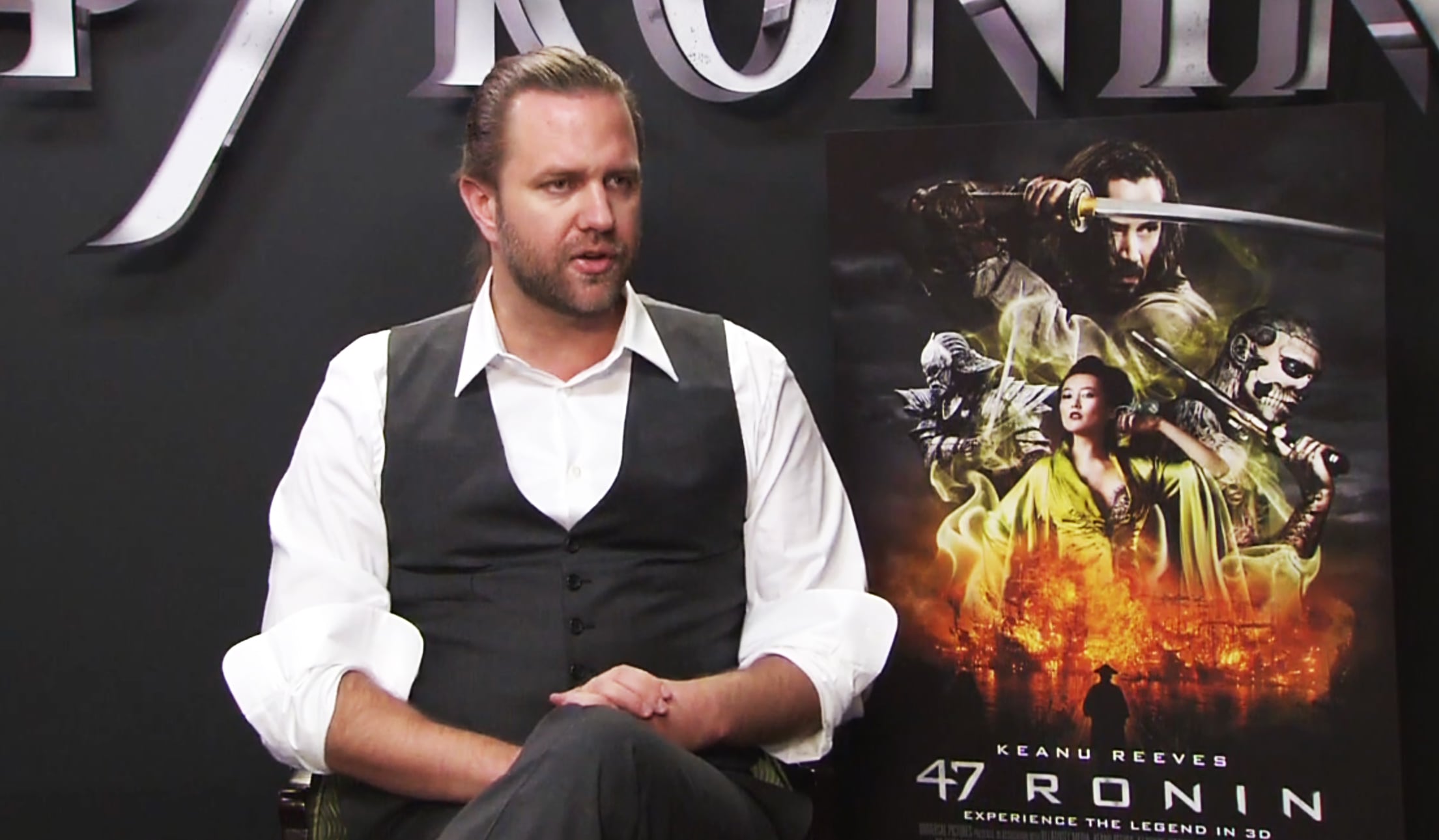
Director and screenwriter Carl Rinsch faces a maximum sentence of 90 years in prison after being found guilty of defrauding Netflix of $11 million (€9.4 million). After a week-long trial held in New York, a popular jury concluded that the 48-year-old filmmaker requested a large investment from the platform to finance a series that was never broadcast and then spent that money on personal investments. The sentencing that specifies the sentence for Rinsch is scheduled for April 17, according to the media. Variety.
Rinsch—known for directing The Legend of the Samurai: 47 Ronin (2013), The Gift (2010) y The Quiz (1994)—denied the accusations leveled against him and of which he was found guilty. The charges he faced were related to wire fraud, money laundering and illegal monetary transactions. The director, arrested in California last March, assured yesterday before the federal court in Manhattan that it was a “misunderstanding,” according to the American magazine.
The filmmaker stated that he completed filming the first season of the series, titled White Horsebut he needed the money for pre-production of the second season. However, Netflix claims that it never commissioned Rinsch for a second season and that the first was “far” from being finished.
Netflix had initially paid about $44 million to buy the series, still unfinished, and between the end of 2019 and the beginning of 2020 the director demanded more money from the company, which finally agreed to pay another $11 million. According to prosecutors, Rinsch transferred the money to various bank accounts before consolidating it into a personal account, and subsequently made a series of personal and speculative securities purchases.
From then on, Rinsch spent around 10 million on paying lawyers for his divorce, buying a Ferrari and five Rolls-Royces or a stay at the Four Seasons hotel, among other things, according to authorities. Instead, the convicted man declared that his purchases were legitimate and that, for example, the Rolls-Royces were necessary for the production of the series, the weekly reported. Variety.
At that time, covid-19 was beginning to spread throughout the world. According to the prosecution, the filmmaker bet millions on Gilead, a pharmaceutical company that he believed could cure the disease, which ultimately caused him great losses. Rinsch’s defense attorney argued that the luxury purchases were a distraction and had “nothing to do” with the case.
Over the course of a week, former Netflix executives testified as the now director of streaming from Paramount, Cindy Holland, or Peter Friedlander, who currently serves as head of global television at Amazon MGM Studios. Both acquired the rights to White Horseaccording to the magazine The Hollywood Reporter.