
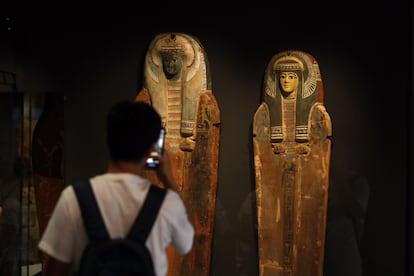
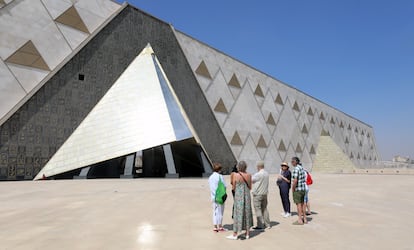
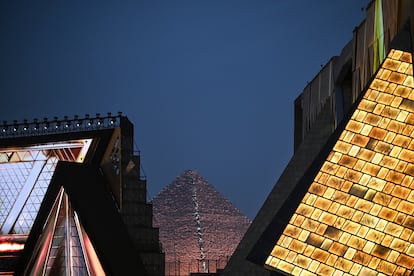
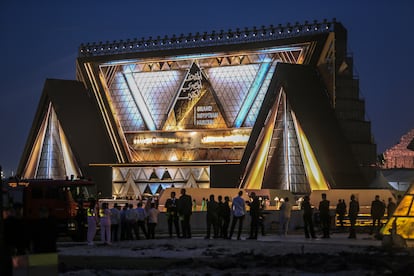
On Saturday afternoon, in a grand ceremony on the esplanade of the Giza pyramids with drones, live music and parades of extras and their pharaohs inspired by Ancient Egypt in various settings, the Grand Museum of Egypt was inaugurated, more than two decades after its first stone was laid. Thus began three days of celebration in style, with which the country wants to reveal the feat: the most complete museum in the world about the ancient Egyptian civilization.
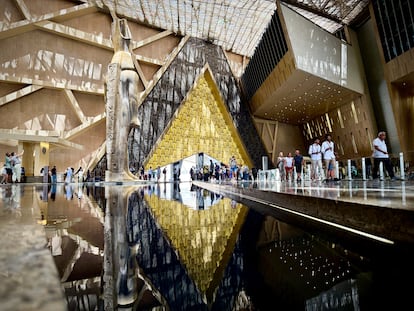
Already at night in Cairo, the planes flew over the pyramids and the museum with the motto Welcome to the land of peace. Shortly before, the Prime Minister of the Arab country, Mustafa Madbuli, described this ceremony as “a unique event in all its senses and a dream that has come true.” After having witnessed three regimes, a revolution, several regional wars and a pandemic, the space is 500,000 square meters, double that of the Louvre Museum and two and a half times more than the British Museum, the museum is finally inaugurated.
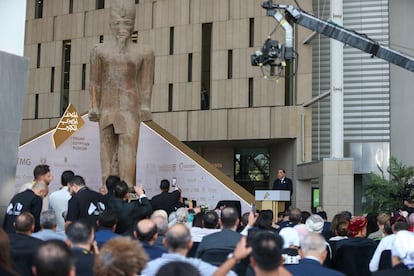
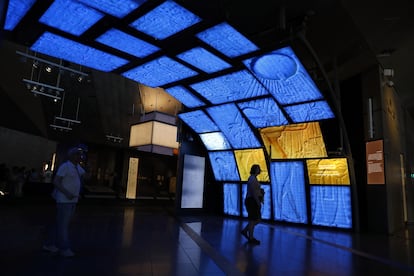
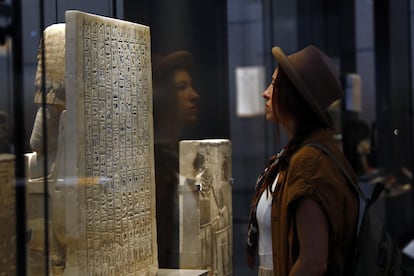
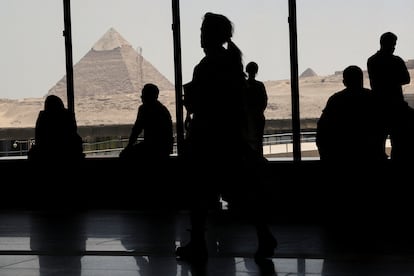
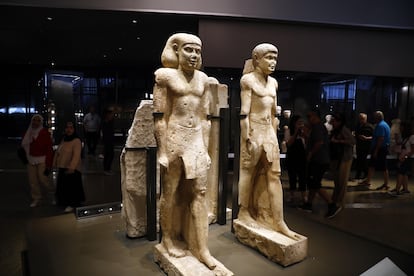
Among those invited to an event to which journalists have not been able to access, there were 39 heads of state, kings and princes from around the world, as well as representatives from 40 other countries. King Felipe VI attended the inauguration, as can be seen in the video that the Royal Family shared on its Instagram profile, accompanied by the Vice President of the Government, Yolanda Díaz. In addition to the Spanish monarch, Mary of Denmark and Philip of Belgium, among others, have also attended.
“We have invited you to come to this land of peace and love, and enjoy this celebration to make this museum a platform for dialogue, a destination for knowledge and a port for humanity. Also a beacon for lovers of life who believe in humanity,” said Egyptian President Abdel Fattah al Sisi in a brief speech during the ceremony.
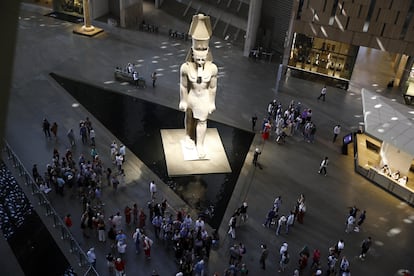
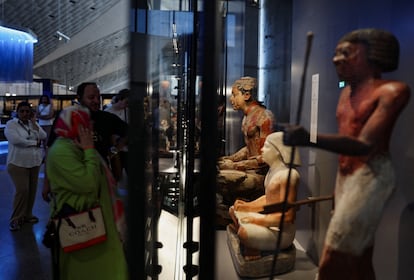
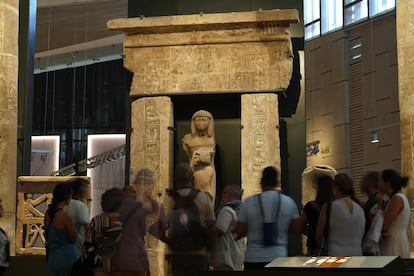
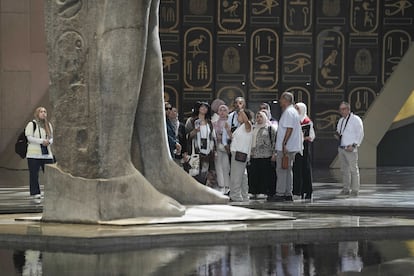
After the president’s speech, the formal ceremony was held in which the president laid the last stone of the construction, which was lit with the idea that “the silence of the stones not only remembers the past, but also illuminates the future.” Then, with the figure of a child as a common thread, the jewels that will be exhibited in the museum were presented, from the colossi of Ramses II to the boats of Cheops.
The construction was practically completed in 2020, in the midst of the global Covid-19 crisis, and Egypt has since waited patiently for the right moment to unveil the facility, which is estimated to have cost around $1 billion (867.3 billion euros) and which houses more than 100,000 pieces.
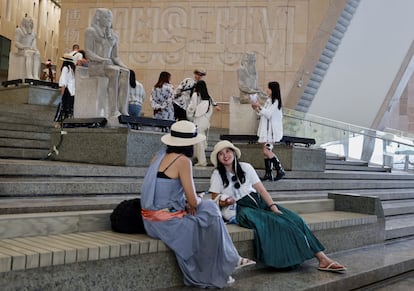
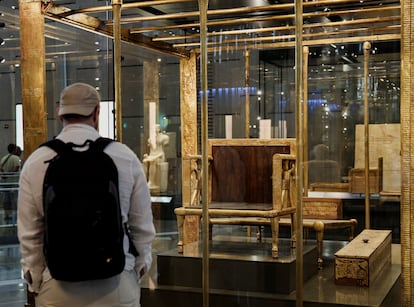
With its inauguration, which includes the rooms that arouse the most expectation, its director, Ahmed Ghoneim, hopes to reach between five and seven million visits a year, which would place the museum among the ten most visited in the world. The jewel in the crown will be the galleries of more than 7,000 square meters dedicated to the most famous of the pharaohs: Tutankhamun.
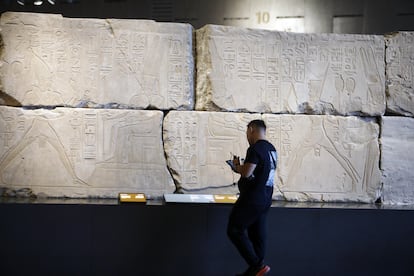
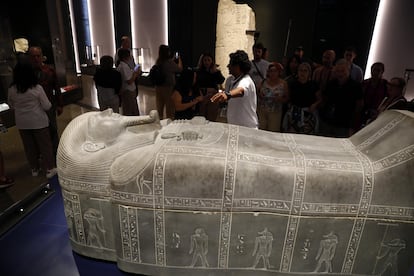
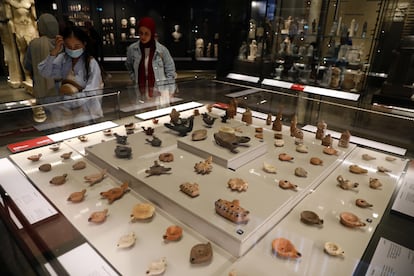
More than 167,000 meters are built and are located about two kilometers from the pyramids of Giza, on the western bank of the Nile River. More than 100,000 pieces, many of which have never been exhibited to the public, are part of the museum’s collection, the largest in the world dedicated to just a single civilization.
The inauguration of the Grand Egyptian Museum marks the culmination of one of the main goals of the master plan conceived by the Egyptian authorities to completely transform this essential area of the country. In addition to the museum, in recent years the new Sphinx airport has been inaugurated, a few kilometers away; Hotels and leisure areas are being built in the surrounding area, and the Giza pyramids complex is being remodeled, with which the museum will also be connected by a tourist walk.