
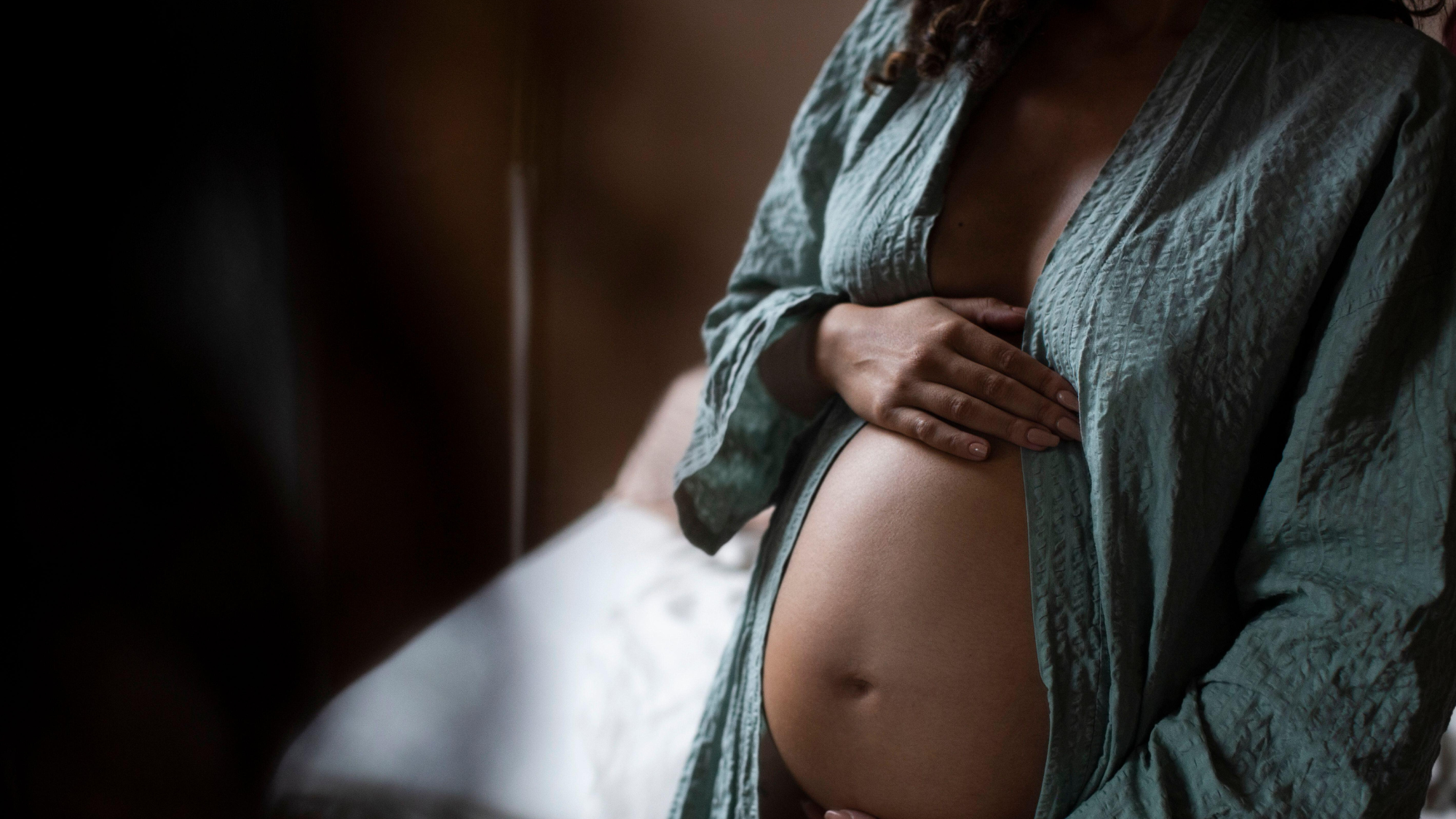
A small but growing number of pregnant women are choosing to give birth without the help of a midwife or doctor, relying instead on stories from influencers about the “euphoria” of a “free birth”.
A year-long investigation by The Guardian into the Free Birth Society has uncovered a multi-million pound organization that encourages pregnant women to give birth alone or with only a doula (non-medical birth partner) – sometimes with dangerous or deadly consequences.
What is the Free Birth Society?
Founded by former doula Emilee Saldaya, FBS promotes an “extreme” version of home birth that forgoes all medical support, The Guardian said. Calling itself the “birth freedom movement,” it presents “free births” to expectant mothers, “reclaiming something sacred that was stolen from them.” It talks about the “violence” of modern prenatal care, “reduces” serious pregnancy complications, and even advises expectant mothers to avoid all prenatal checks and treatment, including ultrasounds, which are falsely claimed to harm the fetus.
Week
Viikko offers readers a wide range of perspectives from 200 reliable news sources.
Try 6 free numbers
Sign up for a week of free newsletters
From our daily WeekDay newsletter to our award-winning Food & Drink email, you get the best bits of the week straight to your inbox.
From our daily WeekDay newsletter to our award-winning Food & Drink email, you get the best bits of the week straight to your inbox.
Most women learn about FBS through its popular podcast, Instagram account, or YouTube channel (which has nearly 25 million views). A bestselling video course co-created by Saldaya and ex-doula Yolande Norris-Clarke called “The Complete Guide to Freebirth” can be downloaded from the company’s “slick” website. Saldaya – who, like Norris-Clarke, is not a midwife and has no medical qualifications – has become “a top influencer in the world of free birth”, appearing in glossy marketing materials “semi-nude”, wearing a crown and “posing in a meadow”.
How common are free births?
Free births are not common but “are on the rise across the UK”, according to the Nursing and Midwifery Council. Several NHS trusts reported it as a “growing trend” in 2023 and 2024, said The Health Services Journal, with “several” in their area each year.
No official figures are collected for free births, but in the UK the proportion of home births (which includes free births) has risen from 2.1% between 2016 and 2019 to 2.5% in 2021 (latest figures available), or around 17,400 births. Around 6% of inquiries received by the AIMS birth charity in 2023 were about free births, said The Health Services Journal – before that only “a handful a year”.
Amid a series of recent NHS maternity care scandals, interest in free births has increased as “women lose confidence in professional maternity services,” Soo Downe, a midwife and professor at the University of Lancashire, told The Guardian. Some have already experienced trauma or inadequate maternal care during a previous birth. The suspension of home birth services during the pandemic may also have encouraged some who have decided to avoid hospital births to opt for a free birth.
What do medical professionals say?
During its investigation, The Guardian identified 48 cases of late stillbirths, neonatal deaths or other “serious harm” related to birth that appeared to be linked to FBS. In 18 of these cases, there was evidence that “FBS played a significant role in maternal or birth attendant decision-making, leading to potentially avoidable tragedies.”
When free births go wrong, it is “impossible to say whether the outcome would have been different with medical support,” but experts who reviewed the FBS material concluded that the content was “medically illiterate, misleading or dangerous,” the paper said in its follow-up report.
One of the factors that most concern obstetricians about free births is the refusal of prenatal care. This could mean that “risk factors such as twins and breech presentation (a baby presenting bottom-first) are not detected beforehand,” said midwifery professor Hannah Dahlen in The Conversation. This can lead to unexpected complications during childbirth, and even if a doula is present, they “don’t have the training, regulation, or medical equipment and skills needed to deal with emergencies.”
A senior obstetrician told the BBC’s health correspondent she was “horrified” at the idea of women giving birth in “medically unsupervised settings” without a midwife. “I think it goes back to the Middle Ages.”
But Saldaya is defiant in his defense of free birth. After the Guardian’s investigation was published, she posted a message to her 133,000 Instagram followers: “They’re trying to discredit you. They’re lying about you. They’re trying to silence what they don’t understand.”