
Professors Jesús R. Álvarez Sanchís, Jesús Rodríguez Hernández and Gonzalo Ruiz Zapatero, from the Higher Polytechnic School of Ávila and the Complutense University of Madrid, say that since the year 800 BC. C until the turn of the era, “Iberia was the Wild West of the Mediterranean during the Iron Age.” Celtic cultural traditions occupied the center, west and north of the peninsula, while the Iberians spread to the east and south. (This text is an extract from EL PAÍS’ weekly archeology bulletin, ‘Cuatro piedra’.To receive the newsletter, you can sign up here).
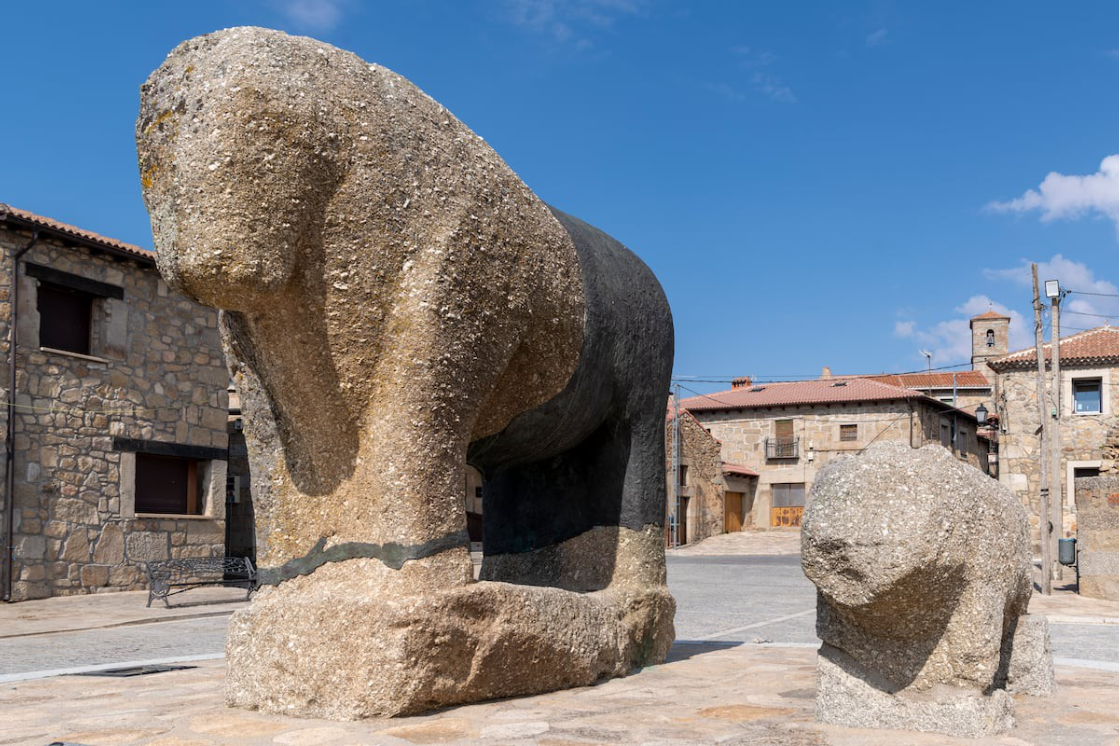
“In the western part of the Meseta, the great central plateau, the ethnocultural (Celtic) group of the Vetones emerged.” It was characterized by living in towns (fortified cities) with large cremation cemeteries for a relatively hierarchical society that used warrior panoplies, unique ceramics with ornamentation and, above all, chiseled large granite statues. They were the famous “boars that represented bulls, pigs or wild boars, which they placed next to the doors of the main population centers, although the majority stood in pastures and fields around the towns and hillforts.”
These sculptures were an unprecedented phenomenon in Late Prehistory of temperate Europe, where stone sculpture was quite exceptional. Furthermore, over the centuries many boars disappeared or were reused as construction material. Now, experts give for the first time a number of boars that existed in the center and west of the peninsula: “450, some lost, others documented in simple written references and many reused in later periods.”
The specialists, who have published their work in the magazine World Archaeologyunder the title of The big bull: Stone Sculptures, ceremonial place and monumentality in Late Iron Age central Iberiaadmit that very little is known about the original locations, but they were carved from granite following a sculptural tradition that maintained their essential characteristics generation after generation for more than five centuries.
They were distributed over an area close to 7,600 square kilometers. The first historical mention of them is from the 13th century and talks about a bull that was on the Roman bridge in Salamanca. From Lope de Vega to Cervantes they wrote about boars.
Most of the known stone animals—80 percent—were found in pasture areas close to settlements, about 500 to 2,000 meters away from gates, walls or fenced areas. They were placed in very prominent places to make them visible from more than a mile away.
“More information is needed about the nature of Iron Age landscapes and the relationship between the statues and their position,” say the archaeologists. “However, their sizes, shapes and spatial relationships with the quarries and towns nearby allow us to identify the boars as symbols of the emergence of ethnic and community values.” That is, they came to indicate something like: “Attention, attention, you are entering veto territory. “Stand by the consequences.”
in the bulletin ‘Four stones’Vicente G. Olaya collects stories like these every Monday, in addition to reviewing the latest news from centuries ago. If you also want to be part of the ‘cuatropedreros’ community, sign up here.