
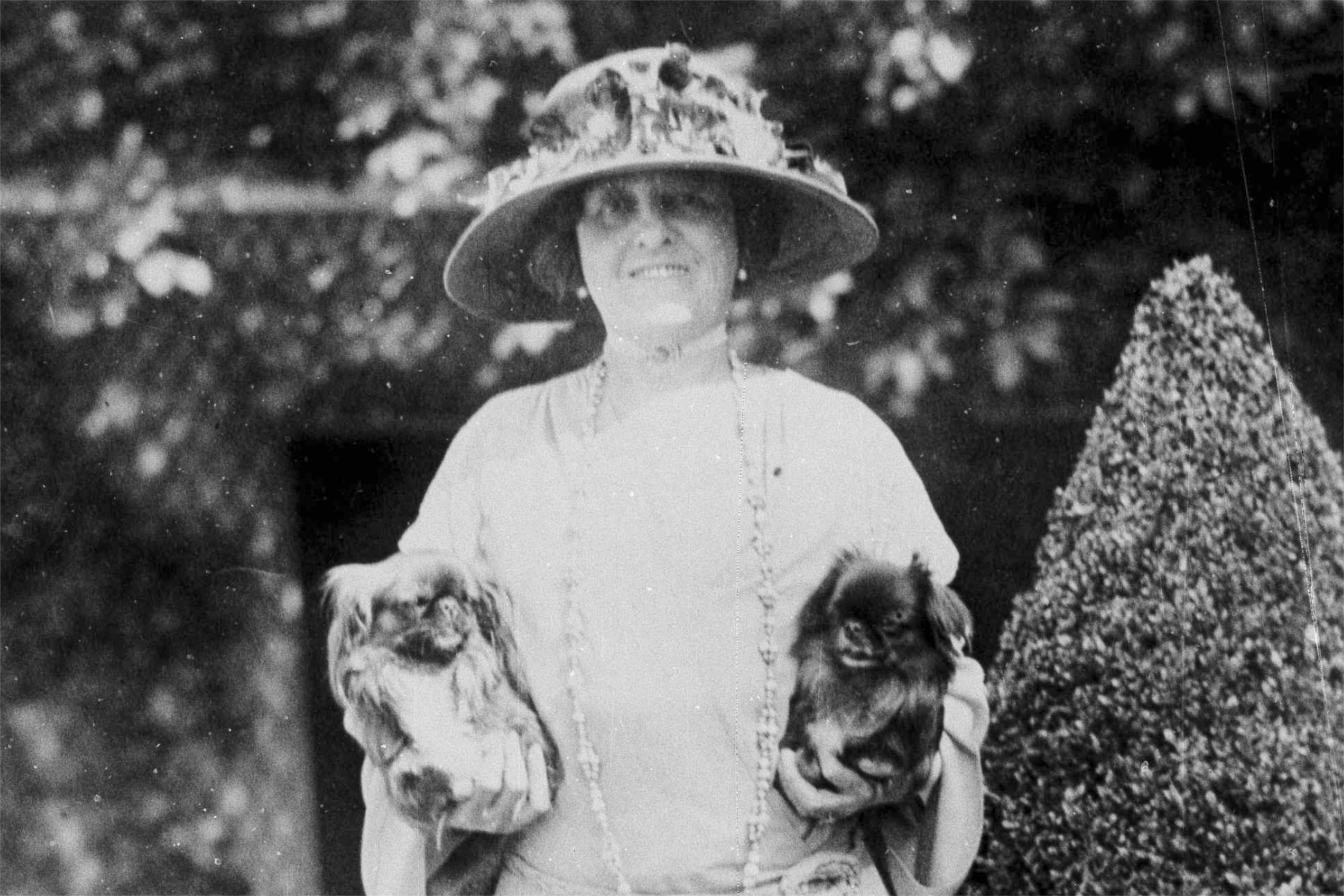
Yes, as it is said in The age of innocenceAmericans want to get away from the fun even more quickly than they show to rush towards a show, the appearance of an unpublished story by the author of this novel, Edith Wharton, arrives a little late. But the story The Men Who Saved The World (The men who saved the world)written sometime after 1918 and now published by the literary quarterly magazine The Strandserves to shed some light on some little-known aspects of Wharton, the first woman to win a fictional Pulitzer.
The unfinished story addresses the consequences of World War I through the narration of a dinner in a castle in France in the summer of 1918, when the war is about to end and with the noise of weapons heard in the distance. “The story sends a warning about the trauma of war, although it also clearly anticipates the victory of the allies,” Isabelle Parsons, professor of Literature at the Open University of England and one of the discoverers, in 2023, of the story, explains to this newspaper in an email.
Despite being best known for works such as The age of innocencewhere he accurately portrayed the New York upper class at the end of the 19th century, Wharton (1862-1937) also addressed in some texts the war that he observed firsthand. In 1914, when the conflict broke out, she was living in Paris. But, as Parsons points out, this tale is unusual in that its “disturbing references” to arm and leg amputations underscore “the terrible impact of this conflict on the human body and soul.” “This reinforces the perception we have of how Wharton understood the horrors of war and demonstrates his attempt to transmit something new and transcendent towards the end of the conflict,” continues the expert.
Wharton never finished writing The Men Who Saved The World, whose manuscript has been preserved until now at Yale University. A century later, the story it tells continues to appeal to readers today. Andrew Gulli, director of The Strand Magazinethinks that the story speaks of a “universal” sensation. “The possibility of witnessing war from afar without actually feeling its effects. I can read about a war abroad, but I have never been personally affected by it. I have only seen it on television,” he told The New York Times.
Professor Parsons finds many interesting elements in the now known story. Works like The age of innocencewhich was published in 1920 but whose plot takes place mainly in the seventies of the 19th century, portrays with a critical and satirical vision the haute bourgeoisie that he knew in his youth. “Looking critically at the past, as Wharton does in this novel, is important because it allows you to discover who you are and who you would like to be. The Men Who Saved the World It has a satirical element similar to that of The age of innocenceand also invites reflection. But in this case about war and the price of victory. “It certainly expands our understanding of Wharton’s war interests,” he says.
How is it possible that 90 years after her death, new works by a writer as studied as Wharton continue to appear? “His archive is considerable. The Edith Wharton Collection at Yale University’s Beinecke Rare Book and Manuscript Library alone houses nearly 50,000 documents. Among these are the typewritten originals of The Men Who Saved the World. And there are other collections in institutions in the United States and Europe,” responds Parsons.
Therefore, it would not be surprising if researchers found new unknown documents in the future. Some findings that, the expert trusts, will continue to give her and the rest of Wharton scholars and lovers new joy.